“Read and study the good religious and cultural educational materials which have been produced for the Jamats by our institutions: seek knowledge and understanding independently. Try to deepen your understanding of our history, our values and the principles of our faith” — Mawlana Hazar Imam, Shah Rahim al Hussaini, Paris, July 12, 2025.
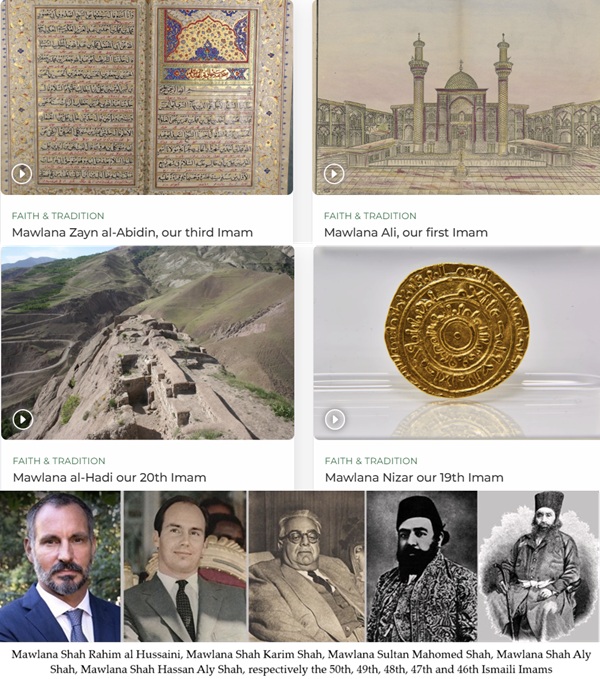
Continuing in the tradition of the 49th Ismaili Imam, Mawlana Shah Karim Shah, His Late Highness Aga Khan IV, his successor Mawlana Hazar Imam Shah Rahim al Hussaini, His Highness the Aga Khan V — perhaps with even greater emphasis — has recommended to his followers in many of his Farmans (guidance) delivered in 2025 that they feel the presence of faith in their hearts and souls by calling on Allah, the Prophet, and the Names of the Imams at any time or place. I want to share my personal reflections on the importance of invoking the Names of our Imams and how understanding their lives can make our invocations more meaningful and satisfying.
One day, after visiting my dad at his nursing home in the morning, I decided to walk back about 30 minutes to my mum’s home, leaving the car in the garage until my next visit to my dad later in the evening. This time, during the peaceful walk, instead of invoking Allah, the Prophet, Mawlana Shah Karim — then Imam-of-the-Time — or Hazrat Ali, I chose to remember each of the forty-nine — now 50 — Imams by repeating their names in succession, a few times each, until I reached home.
The walk through the greenery in Burnaby, Canada, with its beautiful flowers and plants in residential gardens, and the calling out of the Imams’ names, gave me immense spiritual satisfaction and happiness. I realized, however, that when I remembered the Imams whose histories I knew — even in part — a vital incident from their lives would invariably pop into my mind, even for a second or two. But what about other historical Imams I knew very little about? While all Imams are bearers of the Noor of Imamat, which transcends space and time, I could not connect with the Imams as much as I did with others whose histories I knew.
Historical knowledge also connected me with outstanding Ismailis who served the Imam-of-the-Time and the Jamat (community) with zeal, devotion, and, in many cases, extraordinary gallantry and bravery. Of course, striking my mind were also individuals, groups, and caliphates who were archenemies of the Jamat and the Imamat, and those who had broken their pledges with the Imam-of-the-Time and often misled the Jamat. Literally, a second or two can bring significant historical incidents before you!
Story continues below
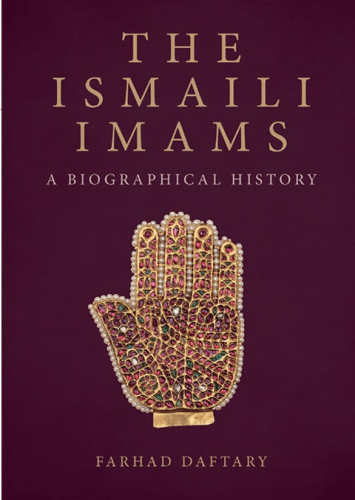
And this is where a book such as Farhad Daftary’s The Ismaili Imams has become, for me, a valuable resource over the last few years for learning about our Imams.
For many in the Jamat who do not read regularly or at all, I wish to remind them of Mawlana Hazar Imam’s recent guidance on reading. He said, “Get into the habit of putting down your phone and picking up a book. You will find it broadens the mind and provides a respite from our frenzied lives and can help relax.” (Paris, Youth Mulaqat, July 13, 2025, page 19, Farman Mubarak book distributed in Canada). Picking up a book such as the History of Ismaili Imams will help us understand our roots and follow the lives and teachings of the Imams more closely.
And Mawlana Hazar Imam has mentioned that reading “can help relax.” How? As a brief side note, my doctor’s concern that I could be suffering from sleep apnea prompted him to set me up for an appointment with an expert on the issue. When he learned about my late-night habits and the time I spent on my websites before bed, he advised me to stop using electronic devices at least 45 minutes before bed and to read during that time! This change has made a noticeable difference. It has helped me immensely. Following the advice, I am totally relaxed after reading. I’m asleep in a few moments for the rest of the night!
There are countless articles on the importance of reading in-print books rather than reading online, and my point here is to instill the habit of reading in our lives and to inspire our children, because sharing this joy can motivate others to start their own reading journey. I frequent the beautiful Canadian mega bookshop Chapters/Indigo quite often, and my heart danced with delight when, during the recent Thanksgiving sales promotion, I saw a 4-year-old pushing a cart of children’s books his mother had bought for him, excitedly heading to the cashier!
For avid readers, I encourage you to heed Mawlana Hazar Imam’s call to engage with our history. He said:
“…. read and study the good religious and cultural educational materials which have been produced for the Jamats by our institutions: seek knowledge and understanding independently. Try to deepen your understanding of our history, our values and the principles of our faith” — Paris Didar, July 12, 2025.
Story continues below
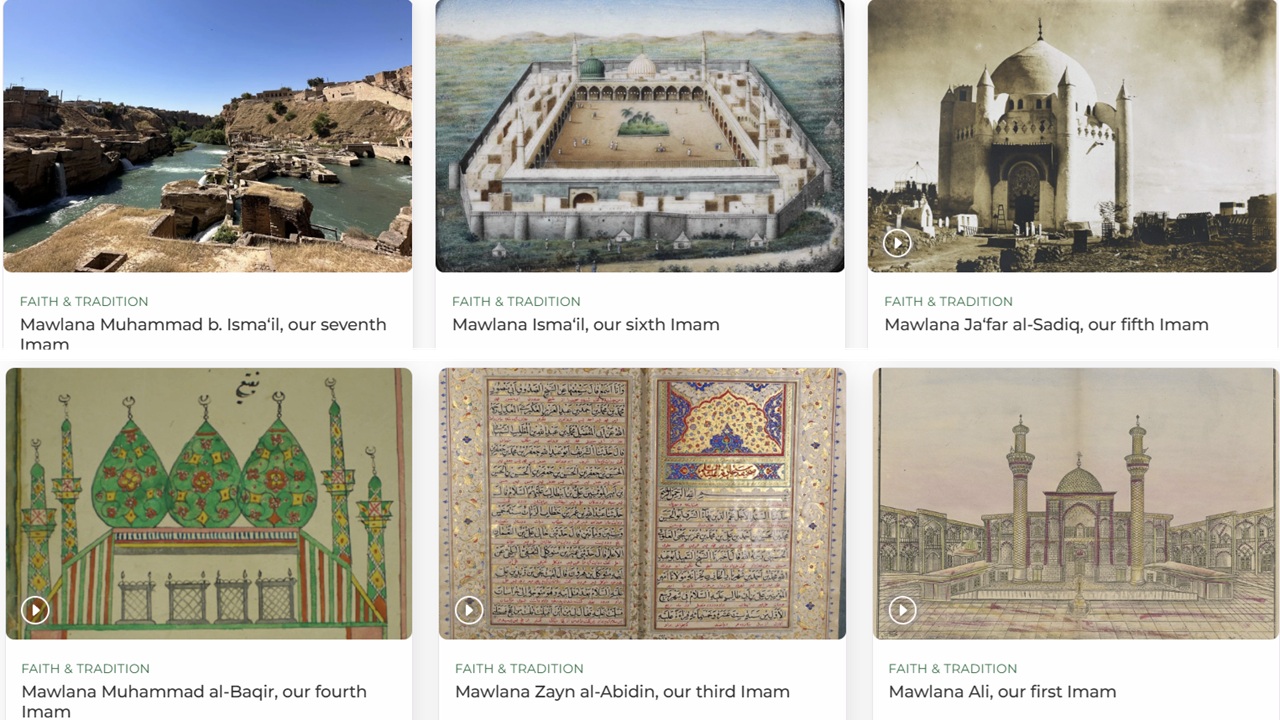
While I was finishing this piece, with Daftary’s History of the Imams in mind, I learned that the Ismaili website has launched a series titled “Stories of Ismaili Imams” under the Faith and Tradition category available in textual form and YouTube video. This is an excellent initiative.
However, I am a little disappointed with the level of detail provided. I am also concerned about the defensive approach the series has taken regarding the lives of a few Imams, and, as an example, I specifically take up the case of Imam Nizar, who succeeded the Fatimid Imam al-Mustansir bi’llah by his Nass. He was the rightful successor, and Hassan bin Sabah ensured that the Imamat continued as per Imam al-Mustansir bi’llah’s instructions, with Mawlana Nizar and subsequently in the fortresses of Iran. Rashid al-Din Sinan was a key Ismaili figure in Syria, supporting the Ismaili Imams who succeeded Imam Nizar. The statement, “the most prominent supporter of Imam Nizar’s claim to Imamat was the da‘i Hasan-i Sabbah,” is weak and, from an Ismaili perspective, is a defensive (and apologetic) response to the Nizari Ismaili belief that Imam Nizar was the rightful and appointed heir to his late father.
To enhance the series and tell the stories of the rest of the Imams, I reference an excellent book, The Presidents of the United States of America (see photo below), which I acquired more than a decade ago in Rapid City, South Dakota, known for its life-sized statues of U.S. presidents. Along with its current abbreviated online version titled ‘The Presidents: Biography and Portraits,’ it can serve as a model for both the online series and a future printed publication. The online portraits of the US presidents, shorter than portraits in the print version and though very concise — each president is described in much less than 1000 words—George Washington: 875 words, Lincoln: 718, Kennedy: 570, Obama: 660, Carter: 577, etc. — are informative, well-written, and engaging. In contrast, the online portrait of Hazrat Ali, for example, is covered in only 260 words, that of Imam Jafar al-Sadiq, 218 words, etc. The presidential stories stay in your mind! More detailed portraits of Imams can make the series more informative and valuable for readers. I think the Institute of Ismaili Studies (IIS) in London has access to scholars and hundreds of alumni who can write inspiring stories of Ismaili Imams. Collaboration with these experts can ensure the series is well-prepared and meaningful!
Story continues below

~~~~~~~~

Whether online or in print, spending a few moments, say 4-8 minutes, reading a 500-700-word narrative every few days will stir our minds, hearts and souls even more as we invoke the names of our Imams. That common thread of the Noor of Imamat that binds all murids together will become even stronger as we read the stories of the Imams, their maternal and paternal care for the Jamat of the time, and the Jamat’s devotion to the Imams and to the community. A richer, more detailed portrait of the Imams will introduce us to outstanding individuals who served the Jamat and the Imam-of-the-Time with seriousness. Again, I repeat, there are plenty of scholarly resources within the IIS and Ismaili institutions to enhance the Ismaili Imam series and make it more engaging and informative.
Story continues below
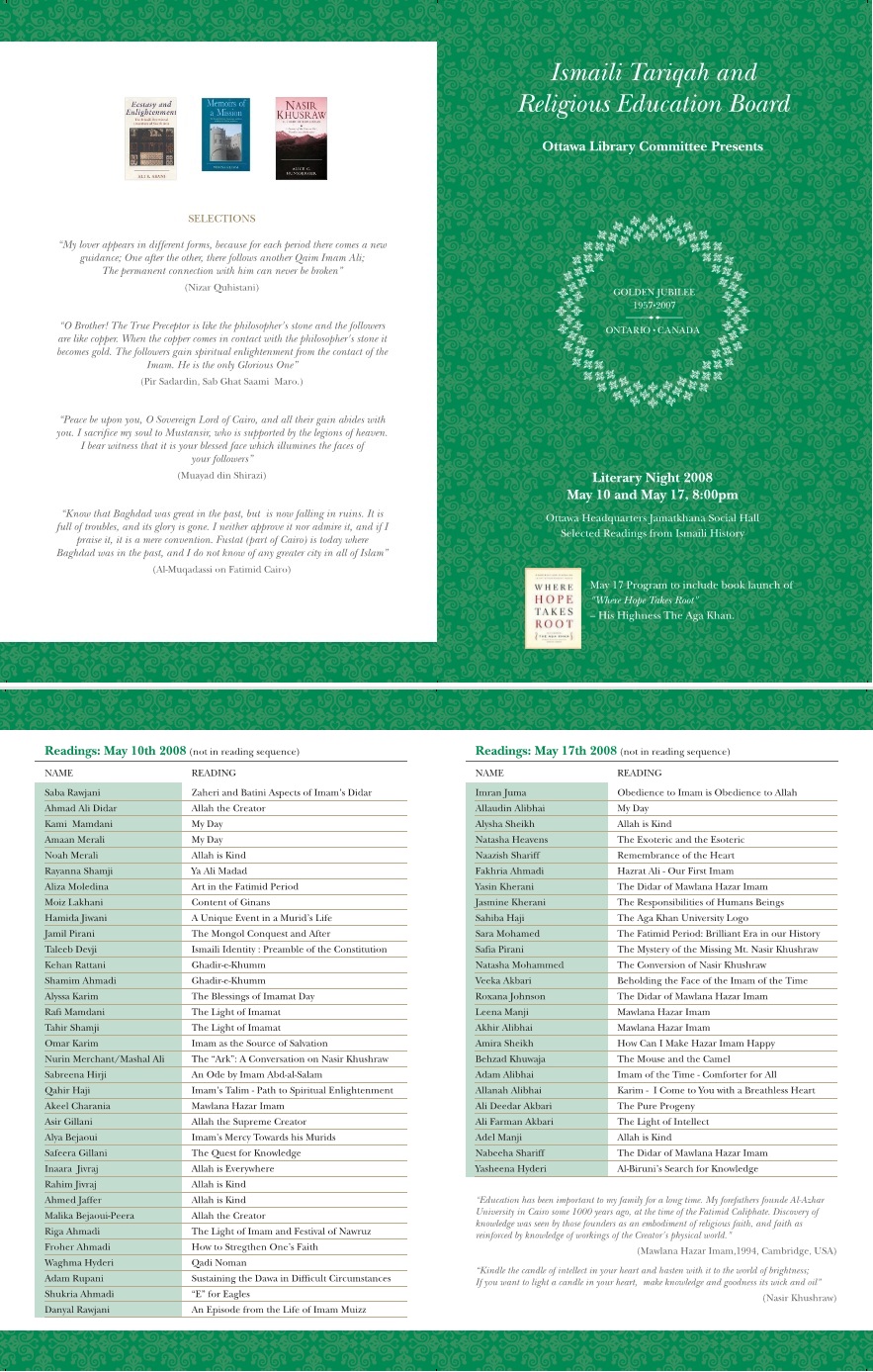
Hopefully, ITREB and Jamati institutions will strengthen the library system despite potential resource constraints by leveraging existing assets, seeking support, and launching programs to inspire reading. Many libraries across the country, including in large centres like Calgary, have been closed for years, as was the one in Ottawa for 7-8 years.
“Get into the habit of putting down your phone and picking up a book,” as Mawlana Hazar Imam said recently, is a motto we should adopt in 2026. Creating annual reading weeks, to coincide with the country’s or world’s annual reading week, and engaging informed college students, youth, and professionals in the library and literature counters to advise on good reading material are necessary steps to awaken the Jamat at all levels to become more engaged with their faith and its beauty and history. Asking young children and youth to come to the stage with a book or two, to read inspiring anecdotes from the book and tell the Jamat that the book is available in the library, or to prepare and deliver short waezes (sermons) with the help of their teachers are ways to motivate reading.

I’m also truly worried about how our print publications have declined and folded, and I hope community leaders understand just how important they are for our cultural identity, within and outside the community, and that they are revived. The full-sized magazine, The Ismaili Canada, USA, U.K., etc., which was such a joy to own and read, was cut by over 70% a few years back, and the smaller version was discontinued 2-3 years ago. Maybe there was no interest in reading these beautiful magazines. But why?
Since I arrived in Canada 45 years ago, there’s been no strong program to encourage reading among our community members. Recently, I even suggested that each youth have their own copy of the Farman books of Mawlana Hazar Imam, but I was told that interested youth can request a copy; that’s quite different from inviting them and giving them the privilege and opportunity of owning and having easy access to their own, just as Mawlana Hazar Imam gifted each Jamati member with a Tasbih during his visits to France, Kenya, Uganda, the USA and Portugal. By making the youth and professionals owners of their own Farman books, carrying them in their school bags and briefcases, or at their desks at home or work, I would expect them to read at any time, rather than seeking to access a single Farman book at home, often not easily accessible or misplaced! Let the pearls flow into the hearts and minds of the younger members of the Jamat for their upliftment.
I also encourage institutional leaders, those in charge of libraries and literature counters, to visit bookshops and magazine sections — they’ll see the incredible interest in books these days. Printed magazines are more abundant than ever! Let’s help our youth develop a love for reading; it’s a powerful way to strengthen our community’s future. And institutions, let’s not leave this just to parents — let’s create inspiring programs that motivate everyone to read more. Again, I say, there have been no reading programs in Canada for decades.
Whether ITREB and other Jamati leaders will follow up on these fine suggestions, which were humbly submitted to the leadership some time back, is another matter altogether. But for now, please read Daftary’s History of Ismaili Imams or visit the Ismaili Imams’ abbreviated stories online. The invocation of the Names of the Imams with some background in mind will make our engagements with the historical Imams more meaningful.
Date posted: January 8, 2026.
Last updated: January 10, 2026, 20:43 (this post has been updated with a photo of the Ismaili Canada print edition).
_________________
Barakah values your feedback on pieces it publishes. Please scroll down to the comments box or email mmerchant@barakah.com if you encounter any issues leaving feedback. Explore the diverse and extensive contents by visiting Barakah’s Home Page or its Table of Contents, with several hundred pieces dedicated to Mawlana Hazar Imam, members of his family and the Ismaili Imamat. Please click SUBSCRIBE and enter your email address to receive update notifications whenever a new post is published on Barakah. We also have two sister websites: Simerg, which is dedicated but not limited to literary readings, and Simerphotos, which is an exciting travelogue related to art, culture, and nature. You can stay updated by following Malik on @Instagram, @Facebook, @X @LinkedIn, and by subscribing to Barakah.
 Barakah
Dear Malik,
Ya Ali madat,
I read your latest post with interest and greatly appreciated it.
Your well-articulated presentation echoes the recent Farmans of Mowlana Hazar Imam, who asks us to put down our smartphones and devote more time to reading in order to acquire in-depth knowledge both about our esoteric faith and about general subjects, particularly interesting aspects of other monotheistic religious cultures.
I appreciated your feelings and share your wise suggestions. It is true that our institutional leaders are not very open to encouraging the Jamath and our young generation to acquire general knowledge through reading books.
I remain a fan of reading books and I am a faithful reader of the Farmans of our last three Imams, the books of Rumi, and Mowlana Shah Ali Shah.
Well done and congratulations, dear Malik ! My prayers that the protection of Mowlana Hazar Imam keep you always inspired on the straight path of Siratal-Mustaquim.
Mohez nato.
France.
LikeLike
You are speaking from your heart in this passionate and thought-provoking article, Malik. It reminds me of how I, as a child, would read and re-read the excerpts of Imam Sultan Mahomed Shah’s farmans in Precious Pearls and those of Imam Shah Karim in Precious Gems. These booklets became pathways to internalize the faith daily at bedtime, one excerpt at a time.
LikeLike
Excellent! You give your own perspective and practical reasons as well as quoting Hazar Imam about reading and acquiring knowledge on our faith…it’s so inspiring and I for one will aim to read more. I think people will really appreciate what you’ve written. There aren’t much choices at the Jamatkhana desk on reading materials but hopefully ITREB will put that right.
LikeLike
Well articulated, Malik. Unfortunately, as a community, we have not embraced a culture of reading as a habit—not only for general knowledge, but also for engaging with texts that pertain to our faith. One can gain immense knowledge simply by accessing the STEP curriculum. I agree that our Jamatkhana libraries have hardly been functional.
LikeLike